
What It Means For Prices, Inventory, and Your Next Purchase
The used car shortage has changed how shoppers find, evaluate, and finance vehicles. Fewer trade-ins, lingering parts delays, and shifting demand have tightened supply, raised prices, and shortened the time great vehicles spend on the lot. This guide explains why inventory feels limited, how pricing is set in a supply and demand market, and what smart buyers can do to stay ahead. You will find practical tips on evaluating vehicle history, timing a purchase, and protecting your budget with financing and coverage strategies. You will also learn how to maximize your trade value and compare similar models without overpaying. Whether you are focused on fuel economy, family space, or long-term reliability, this page equips you with the data-backed steps to navigate today’s market with confidence and clarity.
Market conditions evolve. Seasonal demand, auction pipelines, and interest rates all influence local availability and pricing. Use the insights below to understand what drives changes, how to compare real value across trims and mileages, and where to find timely updates. When you are ready to research vehicles, explore inventory, or schedule service, the resource links near the end of this page can help streamline each step.
Why There Is A Used Car Shortage
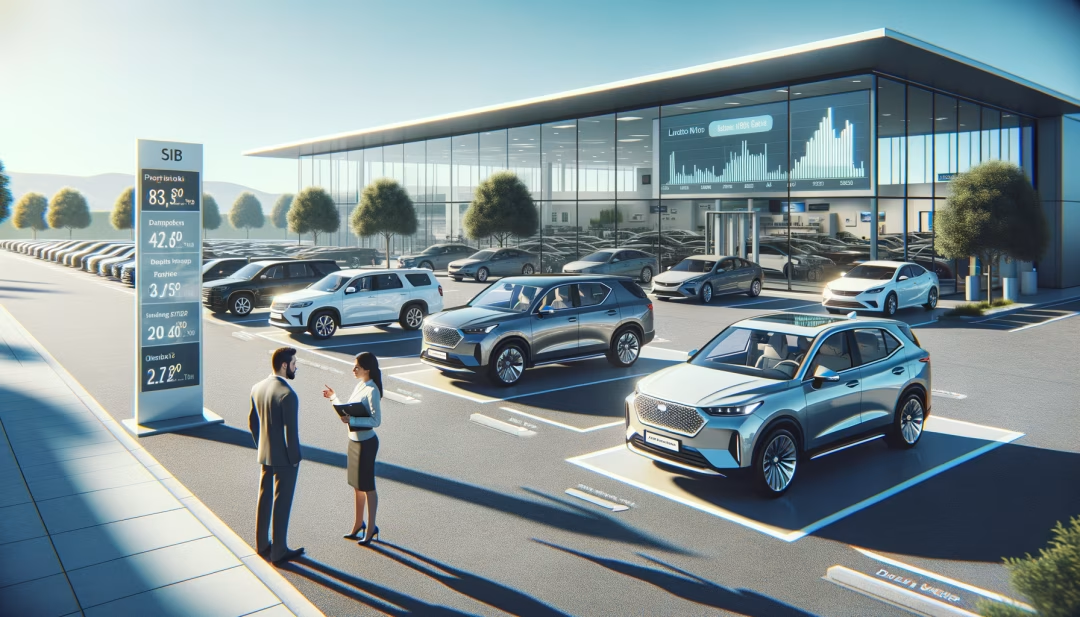
The used car shortage reflects a chain of events that began with manufacturing disruptions and shifted consumer behavior. New vehicle output slowed when parts and microchip supplies were constrained. That reduced new vehicle sales and, by extension, reduced trade-ins that typically feed the used market. Rental companies and fleets also held vehicles longer, which limited wholesale supply. At the same time, many drivers moved to personal vehicles for commuting flexibility, boosting demand for affordable and reliable used options.
Even as new vehicle production normalizes, the multi-year gap in new sales means fewer late-model trade-ins for several model years. This echo effect continues to influence how many vehicles reach dealer lots, how quickly they sell, and the prices they command.
How Shortage Dynamics Affect Pricing
Used car pricing follows real-time supply and demand. Wholesale auction results, transportation costs, recon and parts availability, and regional preferences all contribute to a vehicle’s retail price. When similar vehicles are scarce, prices tend to be firmer and days-to-sale shorter. When more supply arrives or interest rates shift, prices can moderate.
- Tight supply can raise prices for low-mileage, one-owner vehicles with clean histories.
- Rare trims and highly rated models maintain strong resale value during shortages.
- Interest rates and payment targets influence which price bands move fastest.
Smart Shopping In A Low-Inventory Market
In a constrained market, preparation is leverage. Clarify needs, budget, and must-have safety or tech features, then monitor comparable listings over several weeks to learn true local pricing. If two vehicles are similar, the one with stronger history, complete service records, or a better warranty can be the better value even at a slightly higher price.
- Define a flexible set of acceptable trims, colors, and drivetrains to expand options.
- Use a checklist to inspect tires, brakes, fluids, warning lights, infotainment, and driver assist features.
- Review vehicle history and service documentation to identify consistent maintenance.
For step by step guidance, explore how to buy and evaluate vehicles on the research pages: How to Buy a Used Car, What to Look For When Buying a Used Car, and the Used Car Buying Checklist.
Financing, Payments, and Protecting Your Budget
Payments matter as much as price. Monitor rates, loan terms, and taxes to understand total cost of ownership. If rates are higher than expected, consider a shorter term, a slightly lower price range, or a model with stronger reliability to reduce potential repair costs. You can also explore refinancing if rates improve later.
- Pre-qualification can help you compare term options and align features with your monthly target.
- Gap coverage and extended service plans can protect against unexpected events or repair bills.
- If you have credit challenges, learn how approvals work and which documents are helpful.
Helpful resources: Payment Options, How to Finance a Used Car, How to Get Approved for a Used Car Loan, Used Car Loan Interest Rates, and How to Refinance a Used Car Loan.
Timing Your Search
Seasonal patterns still apply, even in a shortage. Tax refund periods can lift demand. Late summer often brings more family vehicle searches for back to school. Inclement weather can favor all wheel drive models. Watching these cycles can help you decide when to act or when to wait for selection to expand.
Study current market updates to set expectations: Used Car Market Trends, Used Car Price Trends, Used Car Inventory Trends, and When Is the Best Time to Buy a Used Car.
Comparing Models and Value
If several models fit your needs, weigh features and long term reliability against price. Strong resale value can indicate a better ownership experience, but it may also raise the upfront cost. Consider total cost of ownership, including fuel, insurance, maintenance, and depreciation. Our research pages highlight reliable picks across budgets and body styles.
- Explore segments: Best Used SUVs, Best Used Sedans, Best Used Trucks, Best Used Hybrid Cars, and Best Used Electric Vehicles.
- Shop by budget: Best Used Cars Under 15000, Best Used SUVs Under 20000, and Best Used Luxury Cars Under 30000.
- Focus on dependability: Most Reliable Used Cars, Used Cars With Lowest Maintenance Costs, and Used Cars With Best Resale Value.
Trade Ins During A Shortage
Lower overall supply often strengthens trade values, especially for clean, low mileage vehicles with documented maintenance. Gather service receipts, resolve simple reconditioning items like tires or bulbs when practical, and present both keys and accessories to improve valuation. Even small details can influence appraisals.
Estimate your equity and set goals using Value My Trade. Review guidance in the Used Car Trade In Guide to understand how condition categories and wholesale market trends affect offers.
Inspection, Service, and Ownership Confidence
A careful inspection paired with service planning can offset the challenges of a tight market. Prioritize a road test that checks cold start behavior, alignment, brake feel, transmission shift quality, and cabin electronics. Review tires for even wear, confirm that safety features calibrate correctly, and note the build date on batteries or tires for replacement planning.
- Schedule a pre purchase evaluation with Schedule Service for added peace of mind.
- Learn coverage options in the Used Car Warranty Guide and Extended Warranty for Used Cars.
- Understand protection with Used Car Gap Insurance Explained.
Where To Monitor Real Inventory
Because high demand vehicles move quickly, check available cars frequently and set shortlists of alternates. Compare similar trims and mileages rather than only colors to stay flexible. If your ideal match is not yet available, watch the coming soon area and recently sold inventory to anticipate what might arrive next.
- Browse Used Inventory to see current selection and equipment details.
- Review Sold Inventory to understand which vehicles sell fastest.
- Watch Coming Soon to track incoming options.
Helpful Resources
Use these pages to continue research, compare options, and stay informed.
Frequently Asked Questions
Glossary of Market Terms
Wholesale: Dealer to dealer marketplace that influences retail pricing. Days to sale: How fast a vehicle sells after listing. Recon: Reconditioning work like tires, brakes, or detailing before sale. Book value: A reference value that may not reflect fast moving local conditions. APR: Annual Percentage Rate for a loan, which influences monthly payment.
Continue Your Research
Keep learning with these guides: How to Negotiate a Used Car Price, Used Car Depreciation Guide, Certified Pre Owned vs Used, and How to Value a Used Car.
Office Hours
Monday
Tuesday
Wednesday
Thursday
Friday
Saturday
9:00 am - 5:00 pm
9:00 am - 5:00 pm
9:00 am - 5:00 pm
9:00 am - 5:00 pm
9:00 am - 5:00 pm
Closed
