
Cold Weather Ready Picks and Buying Guide
Living in winter states means planning for snow, ice, slush, and road salt. The best used cars for winter states combine confident traction, strong safety technology, rust resistance, and cold-weather convenience. Smart shoppers look for all-wheel drive or four-wheel drive, a proven stability control system, a set of quality winter tires, and features like heated seats, heated steering wheel, remote start, and windshield de-icers. Ground clearance helps in deeper snow, while LED or projector headlights improve visibility during early sunsets and storms. Equally important are corrosion protection, underbody condition, and a healthy battery with strong cold cranking amps.
To compare options and trims that excel when temperatures drop, see best-used-awd-vehicles, best-used-cars-for-snow, and best-used-vehicles-for-winter-driving. When you are ready to explore availability, review used-inventory and sold-inventory for real-world examples and pricing history. For in-depth ownership tips, browse blog and research-page-template to plan the right fit for your winter commute and weekend adventures.
Selecting a winter-ready used car also involves budgeting for seasonal tires, preventive service, and future maintenance. Learn how to value trade-ins at value-my-trade, explore payment-options, and get prequalified at applications. To keep your vehicle confident in the cold, schedule seasonal maintenance with schedule-service. If you have questions about our team or policies, visit meet-our-staff, about-us, privacy-policy, terms, and visitor-agreement.
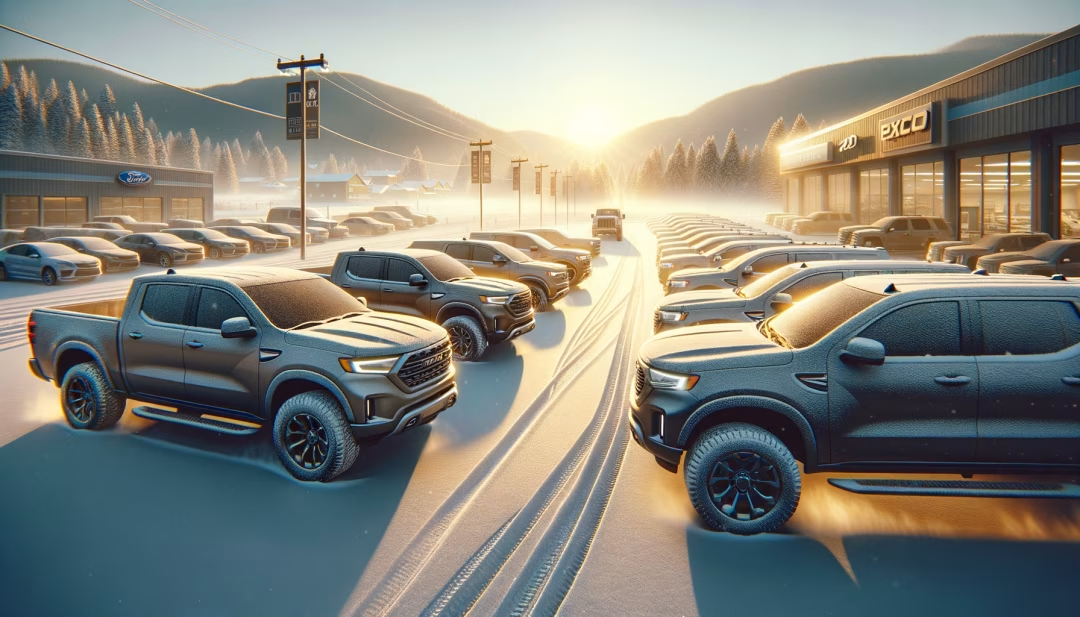
What Makes the Best Used Cars for Winter States
Winter states challenge vehicles with freezing temperatures, packed snow, black ice, and corrosive road treatments. While many models can handle light flurries, the standouts combine secure traction, predictable handling, robust braking, and protective features that keep the cabin warm and the driver focused. Below is a complete guide to help you evaluate drivetrains, features, condition, and ownership costs before choosing your next used car for cold climates.
Key Features to Prioritize
- All-wheel drive or selectable four-wheel drive with locking or limited-slip capability for deep snow confidence
- Quality winter tires with the three-peak mountain snowflake symbol to dramatically shorten ice and snow stopping distances
- Stability and traction control systems that intervene smoothly on slick roads
- Adequate ground clearance to avoid snow packing under the chassis and front bumper
- Heated seats, heated steering wheel, heated side mirrors, and windshield wiper de-icers for clear vision and comfort
- Remote start or quick-cabin-warm features to reduce cold-soak stress on components and drivers alike
- LED or projector headlights plus fog lamps for improved visibility in blowing snow and twilight commutes
- Battery with strong cold cranking amps and a reliable alternator to support frequent short trips with accessories running
- Corrosion protection and clean underbody to resist salt-related rust
To compare standout models and trims that bundle many of these features, visit best-used-suvs, best-used-trucks, and best-used-sedans. For AWD-focused options, see best-used-awd-vehicles and best-used-crossover-suvs.
AWD vs 4WD vs FWD for Winter States
All-wheel drive sends power to both axles automatically and is excellent for mixed winter conditions. Traditional four-wheel drive adds low-range gearing and selectable engagement, ideal for rural routes, deep snow, and unplowed driveways. Front-wheel drive can perform well with proper winter tires, thanks to engine weight over the driven wheels, but AWD or 4WD deliver additional traction when roads glaze over. Regardless of drivetrain, winter tires remain the single biggest upgrade for ice and snow.
Body Styles That Work Well in Cold Climates
- Compact and midsize SUVs: Balanced ground clearance, flexible cargo for winter gear, available AWD. See best-used-midsize-suvs and best-used-full-size-suvs.
- Trucks: 4x4 capability and higher ride height for unplowed roads. Explore best-used-vehicles-for-towing and best-used-trucks-for-work if capability matters.
- Sedans and compacts: Lower center of gravity for stable handling. Pair with winter tires. Check best-used-compact-cars and best-used-commuter-cars.
- Minivans with available AWD: Practical for families with plenty of space. See best-used-minivans.
Budget Planning for Winter-Ready Used Vehicles
Winter preparation has a cost. Factor in a dedicated winter wheel and tire set, underbody rust-proofing or touch-up, fresh wiper blades, and possibly an alignment after installing snow tires. If you are shopping on a budget, review best-used-cars-under-10000, best-used-cars-under-15000, best-used-suvs-under-15000, and best-used-trucks-under-20000 to align capability with affordability. For efficiency-minded buyers who still need cold confidence, consider best-used-hybrid-cars and best-used-electric-vehicles, then plan for battery thermal management and cold-weather range.
Model Traits To Seek Out
- Proven reliability records in cold climates. See most-reliable-used-suvs and most-reliable-used-cars.
- Strong crash test scores and active safety aids. Review used-cars-with-best-crash-test-ratings and used-vehicles-with-best-owner-ratings.
- Trims that include heated features or cold weather packages to reduce aftermarket add-ons.
Inspection Tips for Salt States
Road salt accelerates corrosion on brake lines, subframes, rocker panels, exhaust components, and suspension mounts. Examine the underbody for flaky rust, look behind wheel well liners, inspect door seams and hatch bottoms, and verify the parking brake and calipers move freely. Confirm that the HVAC system delivers heat quickly, the defroster clears glass evenly, the seat and wheel heaters work, and the remote start communicates properly. A pre-purchase inspection referenced from used-car-inspection-checklist and used-car-buying-checklist can catch expensive surprises.
Winter Tires vs All-Season Tires
In snow and near-freezing temperatures, winter tires grip better than all-season tires due to softer compounds and aggressive siping. They shorten stopping distances on ice and pull through deep snow with greater authority. If an AWD vehicle is equipped with worn or low-quality all-seasons, it may still struggle. Adding proper winter tires to FWD can outperform AWD on all-seasons. For the best setup, combine AWD with true winter tires during the season, then switch back in spring to preserve tread life.
Electric and Hybrid Considerations in Winter
Hybrids and EVs can be excellent winter companions when properly equipped. Instant torque helps on slippery starts, and many cabins heat quickly with heat pumps or resistive heaters. Cold weather reduces EV range due to battery chemistry and cabin heating loads, so plan charging stops and precondition the cabin while plugged in. Look for models with battery thermal management and available AWD. Explore best-used-hybrid-cars, best-used-electric-vehicles, and best-used-electric-cars-under-25000 to compare options that deliver winter traction with efficient ownership.
Popular Winter-Ready Used Picks by Category
- Compact SUVs: Subaru Crosstrek, Toyota RAV4 AWD, Honda CR-V AWD, Mazda CX-5 AWD, Hyundai Tucson HTRAC
- Midsize SUVs and wagons: Subaru Outback, Toyota Highlander AWD, Ford Edge AWD, Chevrolet Traverse AWD, Kia Sorento AWD
- Trucks: Ford F-150 4x4, Chevrolet Silverado 1500 4x4, Ram 1500 4x4, Toyota Tundra 4x4, Nissan Frontier PRO-4X
- Sedans: Subaru Legacy AWD, Toyota Camry AWD in newer years, Nissan Altima AWD, Audi A4 quattro, BMW 3 Series xDrive
- EVs and hybrids: Toyota RAV4 Hybrid AWD, Subaru Solterra AWD, Hyundai Kona Electric with winter package, Ford Escape Hybrid AWD
Ownership Tips for Winter Reliability
- Swap to winter tires before temperatures settle near 45 degrees. Store the off-season set properly inflated and covered.
- Rinse the underbody frequently to limit salt buildup. Consider a mid-season wash after storms and a thorough spring detail.
- Test your battery each fall and replace if marginal. Cold starts demand strong capacity.
- Keep an emergency kit with blanket, gloves, scraper, jumper cables, shovel, sand or traction boards, and a portable inflator.
- Use appropriate coolant mix, winter-grade washer fluid, and check wiper blades before the first snow.
How To Shop and Compare
Start by defining your typical route, driveway situation, and ground clearance needs. Review fuel economy targets and cargo requirements for winter gear. Then compare ownership costs, including insurance, tires, brakes, and rust care. For step-by-step help, see how-to-buy-a-used-car, used-car-buying-checklist, how-to-negotiate-a-used-car-price, and certified-pre-owned-vs-used. If financing is part of the plan, review how-to-finance-a-used-car, used-car-loan-interest-rates, and how-does-used-car-financing-work to understand terms and monthly impact in advance of winter upgrades like snow tires or remote start.
Safety and Reliability Resources
Models with high safety scores and strong reliability records tend to perform predictably in severe weather. For more data, explore used-cars-with-best-safety-ratings, safest-used-suvs, most-reliable-used-toyota-models, and used-cars-with-longest-lifespan. Cross-referencing these pages with your short list can help identify trims that balance safety tech, AWD availability, and low long-term costs. If you want a deeper dive on depreciation and resale in salt states, see used-car-depreciation-guide and used-cars-with-best-resale-value.
Related Guides and Inventory
Browse used-inventory to see current availability and sold-inventory for examples of recent winter-ready vehicles that have moved quickly. If you plan to test multiple options back to back, use schedule-a-test-drive to organize your visit. When you are ready to estimate your current vehicle’s value, visit value-my-trade to prepare a winter budget that includes a dedicated tire set and maintenance.
Frequently Asked Questions
Office Hours
Monday
Tuesday
Wednesday
Thursday
Friday
Saturday
9:00 am - 5:00 pm
9:00 am - 5:00 pm
9:00 am - 5:00 pm
9:00 am - 5:00 pm
9:00 am - 5:00 pm
Closed
