
for Delivery Drivers
Choosing the best used cars for delivery drivers comes down to reliability, fuel economy, low maintenance costs, and smart cargo space. Whether you deliver meals in town or parcels across a wider area, the right vehicle can reduce downtime and maximize earnings. This guide explains the top features delivery pros value, compares gas, hybrid, and electric options, and highlights models that routinely earn solid owner satisfaction. It also includes research links so you can review inventory, financing, trade values, and service resources in one place. Explore compact sedans, hatchbacks, small SUVs, hybrids, and EVs that fit long hours, frequent stops, and urban parking. Availability changes often, so check used-inventory and research deeper with best-used-cars-with-good-gas-mileage, best-used-cars-with-low-maintenance-costs, and best-used-hybrid-cars to refine your shortlist and align choices with your budget and route needs.
Delivery driving puts unique demands on a vehicle, from constant start and stop cycles to tight parking and variable weather. The vehicles and tips below focus on proven durability, fuel savings, comfort, and safety. Cross reference these insights with used-inventory, payment-options, applications, and schedule-service to plan ownership with confidence and to keep total cost of ownership predictable through busy seasons.
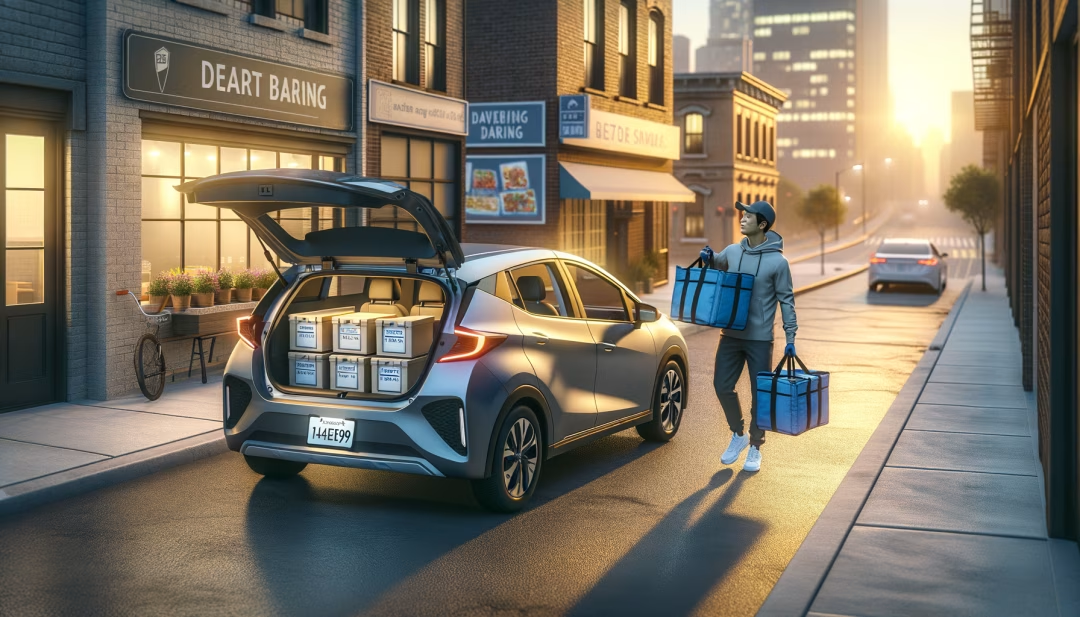
What Makes a Great Delivery Vehicle
Professional delivery drivers benefit most from vehicles that balance efficiency, durability, and everyday comfort. The checklist below outlines key priorities that can reduce running costs and fatigue while keeping your schedule on track.
- Fuel economy that lowers daily operating costs and extends range between fill ups or charges
- Strong reliability records and affordable parts to limit downtime and repair expenses
- Cargo flexibility for bags, boxes, or groceries with fold flat seating or a wide hatch opening
- Comfortable seating and supportive ride quality for long shifts and frequent stops
- Safety tech like blind spot monitoring, rear camera, and quality crash test performance
- User friendly tech including Apple CarPlay or Android Auto for routing and hands free
Top Vehicle Types for Delivery Drivers
Different routes and platforms may favor different body styles. Consider your average order size, parking environment, and daily mileage when choosing among these common options.
Compact Sedans
Compact sedans are light, efficient, and often inexpensive to insure. Models like Toyota Corolla, Honda Civic, Hyundai Elantra, and Mazda3 have reputations for dependable powertrains and solid fuel economy. Trunks on many newer sedans are surprisingly roomy, and split folding rear seats allow longer items to fit when needed. Explore best-used-commuter-cars and used-cars-with-high-mpg for more details.
Hatchbacks
Hatchbacks combine car like efficiency with small SUV cargo versatility. Examples include Honda Fit, Toyota Corolla Hatchback, Kia Soul, and Mazda3 Hatchback. The tall hatch opening speeds loading and unloading, a real benefit when you complete dozens of stops per shift. The squared off cargo area handles bulky grocery bags without stress.
Hybrids
Hybrids shine for high mileage use because regenerative braking captures energy from frequent stops. Toyota Prius, Toyota Camry Hybrid, Honda Accord Hybrid, Hyundai Ioniq Hybrid, and Kia Niro Hybrid are often praised for excellent efficiency and long term durability. Review best-used-hybrid-cars and best-used-cars-with-low-maintenance-costs for options that keep operating costs predictable.
Compact and Subcompact SUVs
Small SUVs like Honda HR-V, Toyota RAV4, Subaru Crosstrek, Hyundai Kona, and Nissan Rogue provide upright seating for better visibility and flexible cargo layouts. Some offer all wheel drive, which can be useful for winter delivery routes. If you cover snow belt regions, see best-used-vehicles-for-winter-driving and best-used-cars-for-snow.
Electric Vehicles
EVs can be cost effective when you have convenient charging and mainly urban routes. Many drivers value quiet operation and instant torque for city traffic. Consider Chevrolet Bolt EV, Nissan Leaf, Hyundai Kona Electric, or Kia Niro EV, then compare charging access along your route. Review best-used-electric-vehicles and used-cars-with-high-mpg to weigh energy savings against range and charging times.
Gas vs Hybrid vs EV for Delivery Work
- Gas vehicles: lowest upfront cost and quickest refueling. Good for mixed driving and rural areas where charging is limited.
- Hybrids: top choice for frequent stop and go routes thanks to regenerative braking and strong city efficiency.
- EVs: low energy cost per mile and reduced maintenance. Best for urban density with dependable charging access and predictable daily mileage.
Total Cost of Ownership Tips
Look beyond purchase price and estimate monthly operating costs. Fuel or charging, insurance, maintenance, tires, and depreciation all matter for delivery drivers who add miles quickly. The links below help you plan finances and compare options with clarity.
- payment-options explains financing choices and how to align terms with your budget
- applications allows a head start on credit approval and rate discovery
- used-car-loan-interest-rates and how-to-finance-a-used-car detail how rates and terms affect monthly cost
- used-cars-with-lowest-cost-of-ownership and used-cars-with-best-resale-value highlight models that can protect your budget over time
Reliability, Mileage, and Maintenance Planning
High mileage is common in delivery work, so pick models known for longevity and simple maintenance. Many vehicles can perform well beyond 150,000 miles with timely service. Reviewing ownership histories and pre purchase inspections is essential. Start with most-reliable-used-cars, used-cars-that-last-over-200000-miles, and used-cars-with-lowest-maintenance-costs. Then use used-car-inspection-checklist and used-car-warranty-guide to map a plan for long term coverage. For post purchase care, schedule-service supports routine maintenance so that your vehicle remains efficient throughout heavy use.
Safety and Comfort for Long Shifts
Driver fatigue is real during long routes. Focus on supportive seating, adjustable lumbar, good ride quality, and low cabin noise. Visibility and safety tech also matter. Many late model used cars include automatic emergency braking, lane keeping assistance, rear traffic alerts, and adaptive cruise. Study used-cars-with-best-safety-ratings and safest-used-cars to prioritize features that fit your budget. Good climate control, heated mirrors, and remote start can reduce winter stress in cold climates.
Cargo Practicality and Organization
Daily convenience comes from clever cargo space rather than raw size. A wide hatch or low liftover trunk helps with heavy orders. Flat loading floors, split folding seats, and under floor bins keep items stable. Consider rubber cargo mats to protect upholstery and speed clean up. For larger grocery routes, small SUVs and hatchbacks often strike the best balance between capacity and efficiency. When you need even more space, reference best-used-minivans for flexible layouts that still deliver reasonable operating costs.
Route and Climate Considerations
Your delivery zone heavily influences the right vehicle choice. Tight downtown parking favors compact sedans and hatchbacks. Hilly or snowy regions reward all wheel drive and higher ground clearance. Long highway stretches make hybrids with efficient cruising or EVs with dependable fast charging compelling. See best-used-vehicles-for-winter-driving, best-used-cars-for-road-trips, and best-used-cars-for-city-driving to tailor the selection to your terrain and route length.
Insurance, Registration, and Platform Rules
Delivery platforms can have basic vehicle requirements. Before deciding, confirm cargo and age limitations, and verify your insurance coverage for commercial or delivery use. Many compact, hybrid, and small SUV models meet typical platform expectations. used-car-title-and-registration-guide and used-car-warranty-guide offer clarity on paperwork and protection options. If you also drive rideshare, compare needs with best-used-cars-for-uber-and-lyft.
Helpful Research and Inventory Links
Use these resources to compare vehicles, check availability, and plan ownership details.
- Used Inventory and Sold Inventory for market context and pricing trends
- Best Used Cars with Good Gas Mileage and Best Used Cars with Low Maintenance Costs
- Best Used Hybrid Cars and Best Used Electric Vehicles
- How to Buy a Used Car and Used Car Buying Checklist
- Value My Trade and Used Car Trade In Guide for equity planning
- How to Finance a Used Car, Used Car Loan Interest Rates, and Applications
- Schedule Service and Used Car Warranty Guide
- About Us, Blog, Locations, and Contact Us
Shortlist Ideas by Use Case
Below are example shortlists based on common delivery patterns. Availability varies, so scan used-inventory and compare trims and service records.
- City focused food delivery: Toyota Prius, Honda Fit, Kia Soul, Hyundai Ioniq Hybrid, Chevrolet Bolt EV
- Mixed city and suburbs with larger orders: Toyota RAV4, Subaru Crosstrek, Honda HR-V, Kia Niro Hybrid
- Longer suburban routes with highway miles: Toyota Camry Hybrid, Honda Accord Hybrid, Mazda3, Hyundai Elantra
- Cold climate or hilly areas: Subaru Impreza, Subaru Crosstrek, Toyota RAV4, Honda CR-V
Pre Purchase Checklist for Delivery Use
A careful inspection prevents surprises. Confirm routine maintenance history, test every power feature, verify tire and brake life, and ensure the air conditioning and defrosters perform well. Look for cargo flexibility, seat comfort, and routing friendly infotainment. For a structured review, see used-car-inspection-checklist and what-to-look-for-when-buying-a-used-car. If you prefer certified vehicles, compare certified-pre-owned-vs-used to decide which path fits your budget and coverage expectations.
Frequently Asked Questions
Next Steps
Confirm your average daily mileage, parking environment, and order size. Shortlist two or three body styles that fit those needs, compare efficiency and reliability records, and review ownership costs. When a vehicle stands out, review history reports, inspection results, and comparable pricing in used-inventory and most-reviewed-used-cars. For added research depth, the blog and research-page-template compile trend insights, while locations and meet-our-staff provide store and team information.
Office Hours
Monday
Tuesday
Wednesday
Thursday
Friday
Saturday
9:00 am - 5:00 pm
9:00 am - 5:00 pm
9:00 am - 5:00 pm
9:00 am - 5:00 pm
9:00 am - 5:00 pm
Closed
